You Don’t Know What You Don’t Know
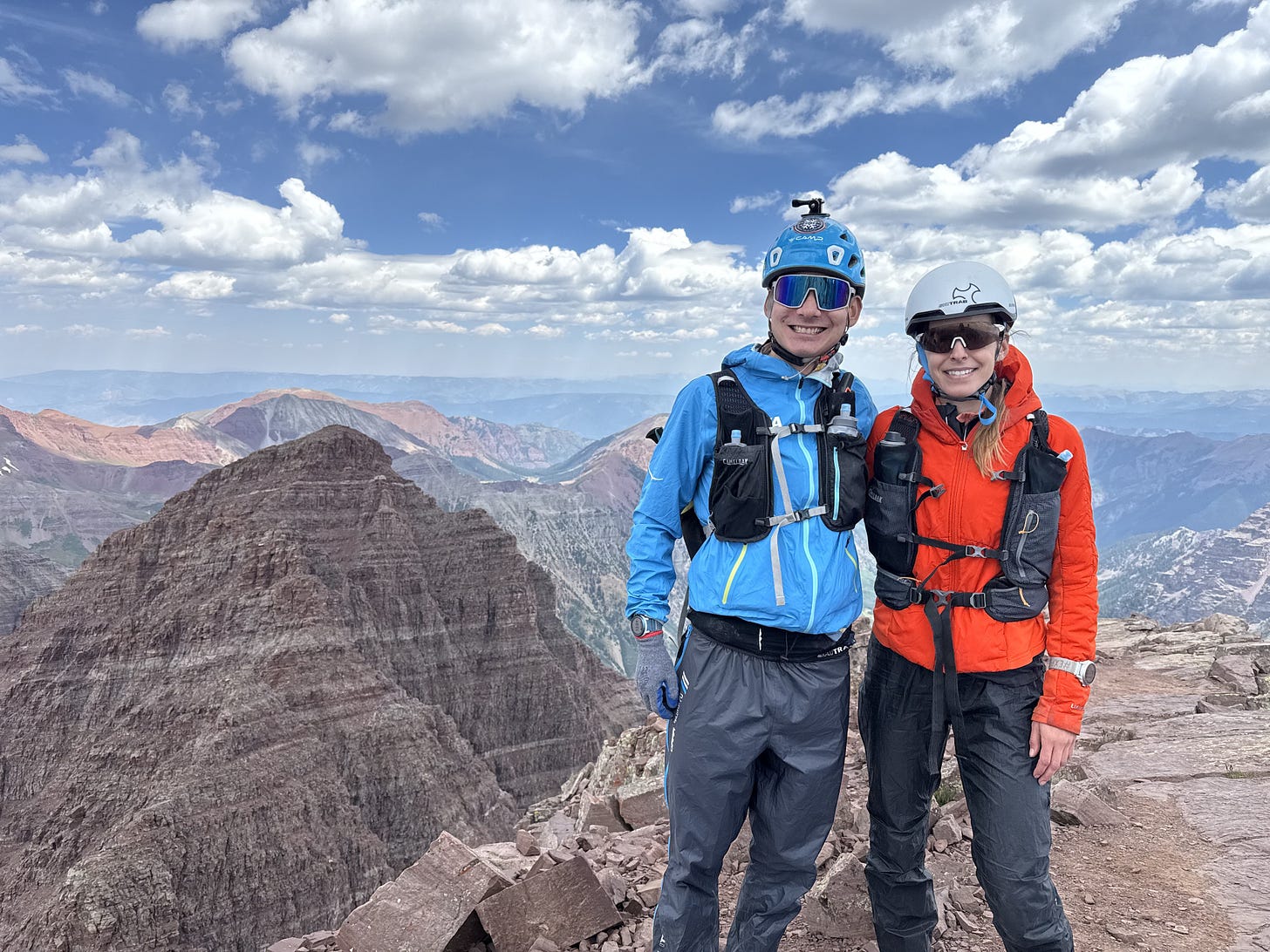
Last year, Sage and I were coming down from Maroon Peak, a class three fourteener outside Aspen, when we crossed paths with two hikers who were clearly struggling. It turned out they were supposed to be doing the Four Pass Loop, one of the most iconic and well-traveled routes in Colorado, but they’d taken a wrong turn and ended up climbing Maroon Peak instead.

If you don’t know Maroon Peak, it’s extremely steep, even before you hit the actual class three section, and it’s the kind of terrain where it’s very easy to lose your footing and slide. Not seriously exposed exactly, but steep and loose enough that a mistake there has real consequences.
These two had big backpacks on, clearly geared up for a multi-day loop, not a technical peak, and they were struggling badly just trying to move upward. We stopped and turned them around, and stayed with them for a bit as they headed back down. Going down with them was scarier than watching them try to go up because we could tell they were terrified of slipping and getting seriously hurt.
There was no sign at the junction where the couple made the wrong turn, so Sage and I reached out to the people who manage that trail system and asked if they could add one. The trail up Maroon Peak actually looks like the more obvious route, even though the Four Pass Loop is one of the best-known loops in the whole state. The response we got was that other people had made the same mistake and had even needed to be rescued, but that people need to be more prepared. They should know better.
I can understand that instinct after living in the mountains for years, but here’s the thing. Not everyone grows up in Colorado. Not everyone has someone in their life who taught them how to read a mountain, what to pack, what questions to even ask before heading out. When you’re new to something, you genuinely don’t know what you don’t know, and that’s not a character flaw, it’s just where you’re starting from.
I first came to Colorado soon after I graduated from college. I grew up in Cleveland, Ohio, and most of my trail running experience came from Cuyahoga Valley National Park, where the trail systems were clearly marked, there were usually plenty of people around, and most routes even had water fountains. When I got to Colorado, I knew nothing, and I made a ton of mistakes. I could look back now and think about how stupid I was, but really, I wasn’t stupid, I just had no clue what I was getting into or what I needed to learn to be safe. It took getting to know more experienced people and making some mistakes of my own to learn how to safely navigate the mountains.
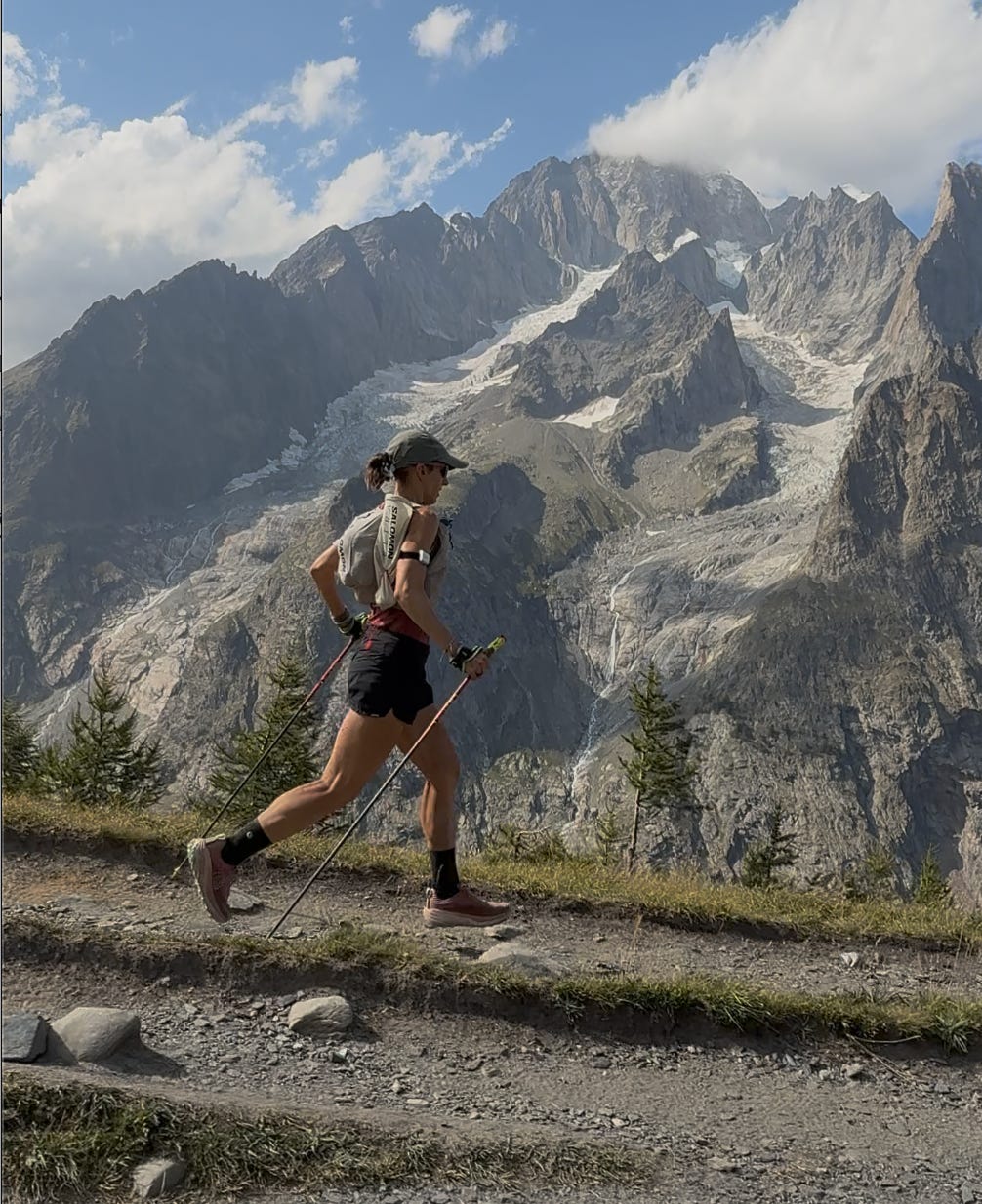
We post beautiful photos and videos from these trails, and they really are beautiful and freeing. But actually being out there, especially somewhere remote and technical, can be intimidating and disorienting, particularly if nobody’s ever shown you the ropes.
Even experienced road runners can feel like beginners when they start tackling mountains. Balancing training volume, speed work, and significant vertical gain requires a different approach than training on flatter terrain. If you’re new to trail running, there’s also a learning curve with things like using poles effectively, figuring out how to run uphill efficiently, and becoming more comfortable and confident on technical descents. That can be a really fun part of trail running. There’s always something new to learn and get better.

This is exactly what our coaches at Higher Running are here for. We help people feel genuinely prepared, whether that means understanding mountain safety and navigation, learning to move confidently on technical terrain, or figuring out how to train effectively for the unique demands of mountain running.
We’re not here to judge anyone for where they’re starting from. We just want people to actually enjoy their time in the mountains, because happy people out there tend to become people who want to protect these places too. That’s better for them, and it’s better for the world.
So whether you’re finishing out this mountain season or already thinking ahead to next year, we want you to feel confident out there, not just hopeful. Reach out to Higher Running and let’s get you prepared, not just inspired.