
From 3:27 to 2:39 in Three Years

From 3:27 to 2:39 in Three Years

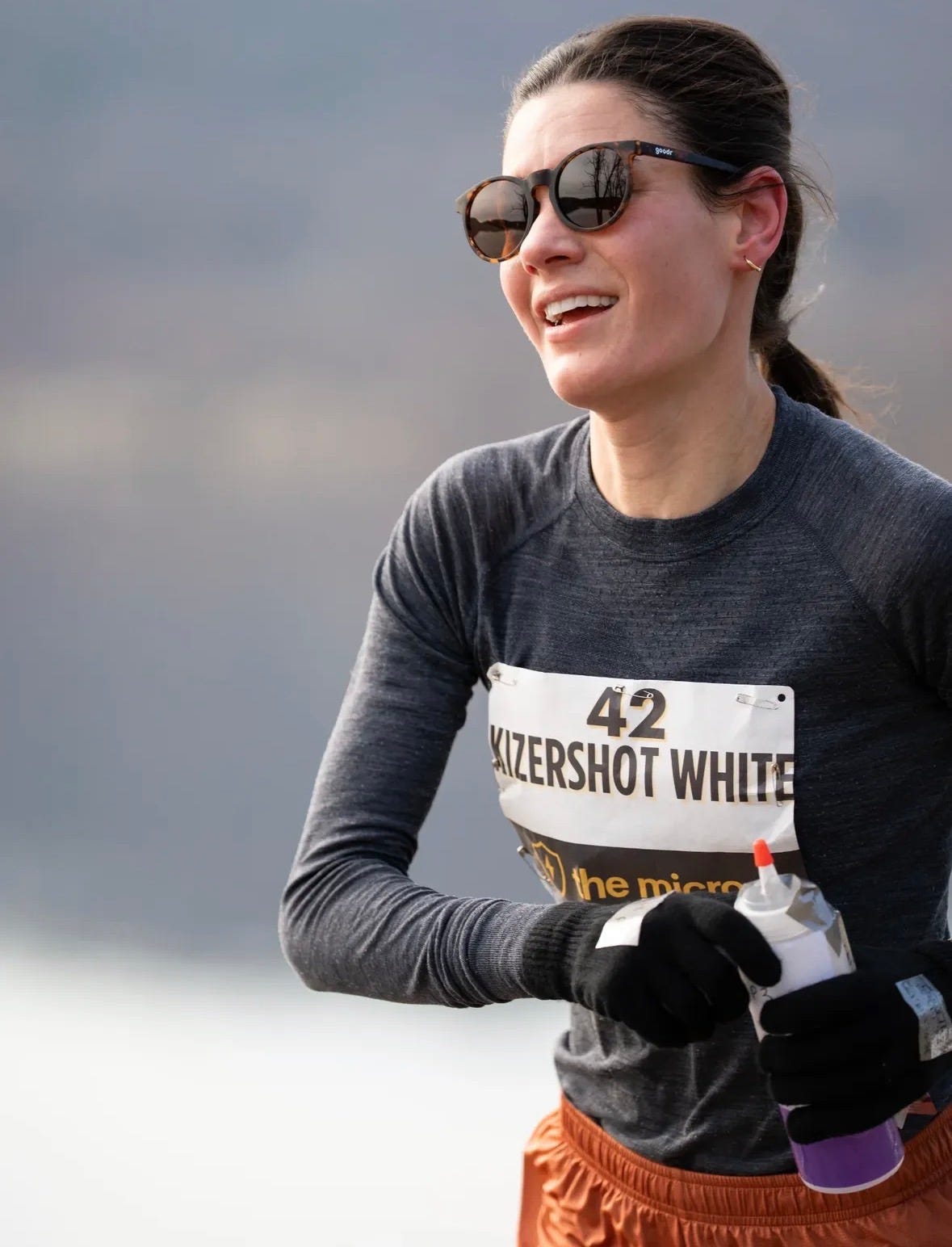
When Michaela and I first started working together in January 2023, she just wanted to BQ again. Now we’re looking at an OTQ.

                                                             Photo: @jameswilsonshoots


Michaela came to me after 9 years of running and 13 marathons with a PR of 3:27. She was dedicated, she loved the sport, and she was ready to really believe in and invest in herself.

When I looked at the data from previous half marathons, speed workouts and the long runs she was doing for her past marathons, I quickly realized she already had the speed to run way faster than 3:27. Speed wasn’t the problem. The problem was that she couldn’t utilize the speed she had for a full marathon yet.

Often the instinct when you want to get faster is to keep doing faster intervals. More time at faster paces. But for Michaela, that would have been a waste of time. She didn’t need more of that short distance speed yet. She needed to learn how to sustain the speed she already had.

So while we did touch on some of that 5k-10k type speed, we made her threshold and marathon paced runs the priority. We made some of the threshold runs longer and I also gave her a variety of threshold workouts instead of doing the same one every week. We put a big emphasis on long runs with a lot of miles around what I thought her marathon pace should be based on some of her past interval and threshold runs.

There were never any big jumps in the length of those workouts. Just a gradual progression over a couple of months. But if you look at where she started versus where she finished, those small steps led to a huge change in the amount of work she could handle. By the end of that first cycle, she could handle a 15 mile progression run, broken up, starting above marathon pace and ending the last mile a touch faster, without feeling destroyed after. During these runs practicing exact race day fueling was also super important, not just for finishing the long run strong, but also for feeling better afterwards.

She went into her first Boston that April hoping to run around 3:19. She ran just under 3:02.

                                                              Photo: @jameswilsonshoots


She’s not running sub-2:40 now because we just kept doing the same thing that worked for that Boston build. If you’re reading this thinking, I already focused on my threshold and my long runs and it stopped working, that’s because you have to know when to change things up.

Over time we’ve changed what Michaela’s focus needed to be. There have been periods where we built her mileage. Periods where she focused on hills. Periods where she did 5k and 10k type training. Each block addressed something different because what she needed kept evolving as she got better.

That’s what long term development actually looks like. It’s not one magic training cycle. It’s a smart, evolving plan that keeps identifying the next thing to work on and then actually doing that thing instead of just doing more of everything.

If you’re reading this and something about Michaela’s story sounds familiar, like you feel that you have way more in you but aren’t sure what you need to change, it might be that you’re not focusing on the right type of speed workouts for you.

That’s something we address from day one in the Breakthrough Lab. The program comes with four training plans. Two are built for runners who have the stamina but need more speed. Two are built for runners who have the speed but need more stamina, which is exactly where Michaela was. From there, the course walks you through how to adjust the plan further based on your specific needs, and both Sage and I are in the community chat every week to help you figure things out. There’s also a monthly live call where you can bring your questions and your training data directly to us.

If you want to learn more, you can check out the Breakthrough Lab here or reach out to me directly at sandi.higherrunning@gmail.com. I’m happy to answer any questions.

-coach Sandi Nypaver
He’s Been Chasing a Sub-3 Marathon Since 2018. Here’s why it’s now within reach.

He’s Been Chasing a Sub-3 Marathon Since 2018. Here’s why it’s now within reach.

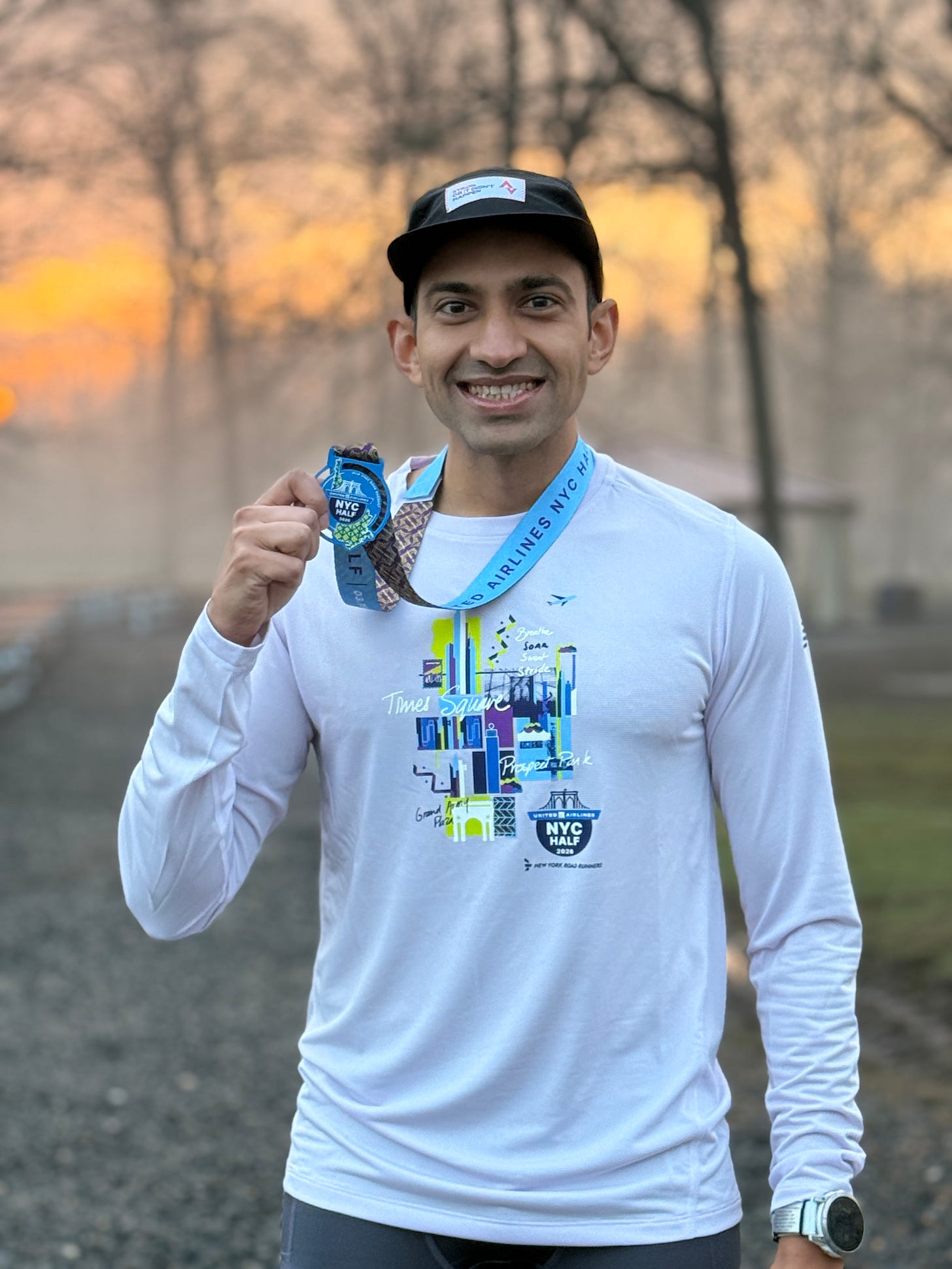
More mileage? More speed work? A different training approach altogether? Or do I just need to trust the process and keep going? When you feel like you’re doing everything right but you’re feeling stuck, what do you do next? Those are all the questions my athlete, Harsh, had when we started working together. He has been running marathons since 2017. He’s now done 19 of them and got himself to a PR of 3:07 by his own research and dedication to the process.

3:07 is a fantastic time, but he knew he had more in him. He’d been chasing a Boston Qualifier, which for him means sub-3, since he crossed the finish line of his very first NYC Marathon back in 2018 and thought, “I want to come back and do this faster.”

Harsh had been running 45-55 miles a week, doing workouts like 10 x 800m and 6 x 10 minutes at threshold during the week and long runs ending with 6 miles at marathon pace on weekends. On paper, he was doing a lot of things right. Yet he was questioning whether his training and running knowledge could get him to his goal of running a sub-3 marathon.

When I started looking at Harsh’s past training, I noticed the mileage wasn’t sustainable with the intensity he was doing when he was deep in marathon training, so it could only be held for a few weeks before the fatigue would force him to slow down. Until the body is truly comfortable handling more volume, adding more intensity creates more fatigue, not more fitness.

So that’s where we started.

Last summer, instead of loading up on speed work, we spent a lot of time building his mileage into the sixties. Some hill work here and there, but nothing aggressive. The workouts were light on purpose. The goal was simple – get Harsh comfortable handling more mileage while feeling good doing it. When he kept telling me how strong he was feeling, I knew the plan was working.

This year, Harsh has already PR’d at three races in a row.

A hilly half marathon. A four-mile race, which was 70 seconds faster than his previous time at that same course. And then another hilly half marathon, where he ran 1:28:16 and crushed his sub-90-minute goal by nearly two full minutes.

His half marathon PR a year ago was 1:31:27. He dropped it by over three minutes.


When that finish line came, Harsh wasn’t surprised. We both knew from his training that he was ready. His workouts had already told us. On our pre-race call we both acknowledged we knew he was in sub 1:30 shape, the race was just making it official.

What made the difference wasn’t one magic workout. It was a lot of small things done consistently and done right.

Harsh didn’t just tolerate the training. He found a way to enjoy it, to stay curious about it, to trust that the work was adding up even when he couldn’t see it yet. At the end of the half marathon block, he told me he hasn’t felt this confident going into a race in a long time.

Harsh is still chasing his sub-3, but it’s no longer a question of if he’ll get there, it’s when.

We’re going to keep making sure nothing is forced. It’s all just the next logical step up. We know it’s working. He’s in the best shape of his running life and closer than ever to that goal.

If you’re reading this and something about Harsh’s story sounds familiar, like you’re putting in the consistency and smart training but feel like you should be running faster than you are, one of the most valuable things you can learn is how to look at your own training data and know whether you’re making the same kind of mistake he was.

That’s one of the core things we teach in the Breakthrough Lab. How to analyze your training so you can identify exactly what’s working, what isn’t, and what needs to change. And if you’re not sure what you’re seeing in your data, that’s what our monthly live coaching call is for. You can submit your training data directly and get real feedback from both Sage and me on what it’s telling you.

If you want to learn more, you can check out the Breakthrough Lab here or reach out to me directly at sandi.higherrunning@gmail.com. I’m happy to answer any questions.

— coach Sandi Nypaver