
New to Running? We’re here to help!
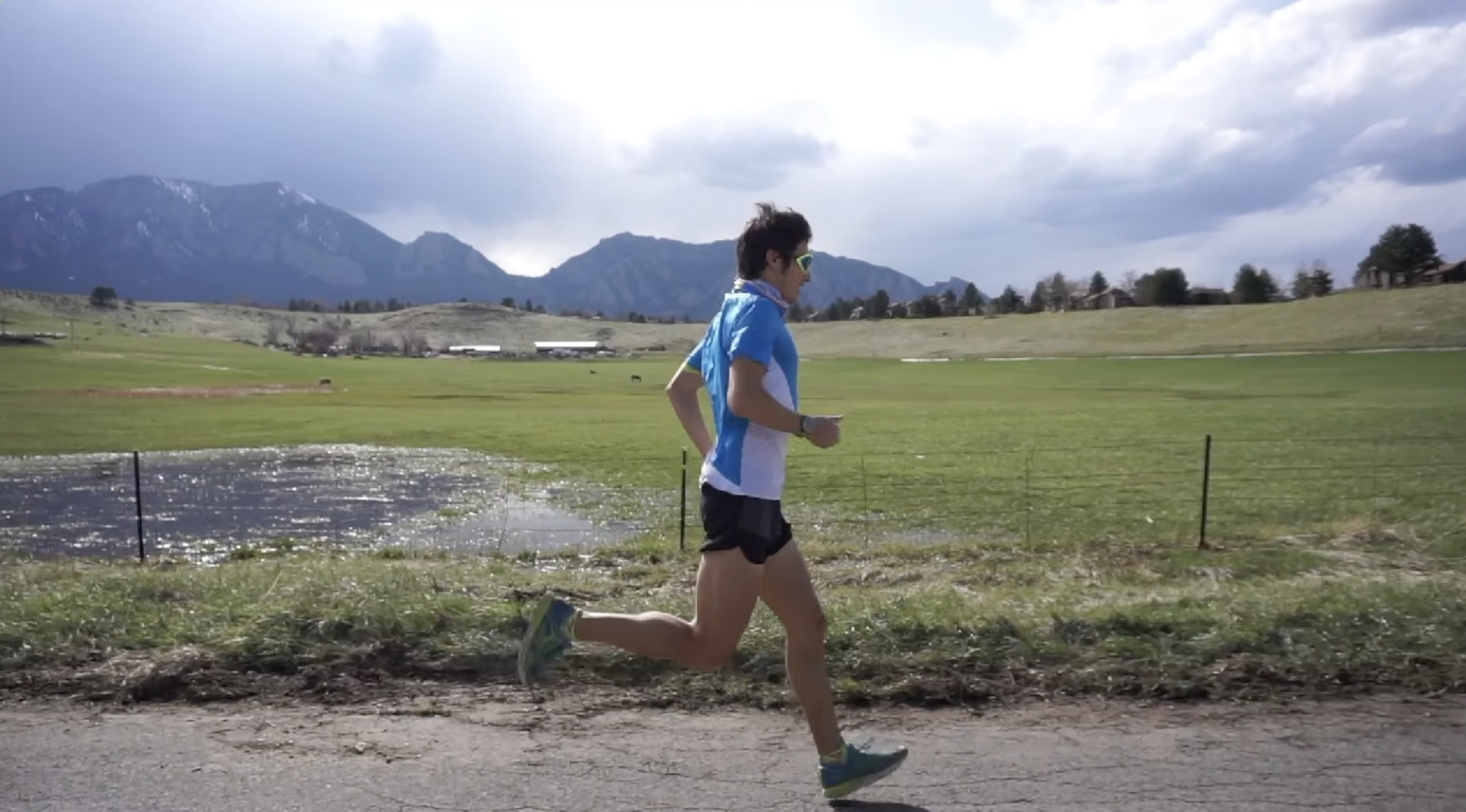 We want this newsletter to be as inclusive as possible, so let’s go back to the basics. This week, Coach Sage will walk you through four running tips for beginners, and how you can start distance running! The newsletter is for you if you would classify yourself as one of the following*:Someone who wants to get into running for the first time. Someone who is new to running and just started. Someone who considered themselves a runner a long time ago, took a break, and would like to start up again. Or, someone who is trying to turn running into more of a habit! Tip #1: Start off slowly! The first piece of advice I tell new runners is to start off very slowly. What I mean by this is that you should probably begin by doing some sort of walk/run combo, where you spend some of the run spent walking and some of the run spent walking. I know some of you may get out there, feel like you have no idea what you’re doing, and overwhelmed with the thought of trying to get into distance running. To that I say: Don’t worry about distance. Don’t worry about how long you can run in a row. The fact you’re putting yourself out there and bettering yourself is incredible! If you can only run for 60 seconds at a time, that’s perfect. Follow that up with 60 seconds of walking. You can repeat this cycle for five or 10 minutes the first day. Over time (several weeks), you’ll notice that your stamina is starting to improve. The next step would to then work up to something like 3 minutes of running, 2 minutes of walking. Feel it out and see what works best for you. Listen to your body! We tell this to all our athletes regardless of how long they’ve been running. Just remember – we’ve all been where you are at one point in our life! Running is a tough and demanding sport, but on the flip side, it’s also very rewarding. Tip #2: Don’t worry about speed! This goes hand-in-hand with starting off gradually (point #1), but don’t worry about sprinting during your runs, using a GPS watch to track your pace, etc. The thing that matters is to run with good form while being in control. We’ll discuss form in a little bit, but it’s likely when you first start running that you’re breathing rate is going to spike, your heart rate will skyrocket, and just general discomfort. Understand that it’s a process which will take days, weeks, months of training before you can start increasing the distance and effort level. However, it will get easier if you run with good form, stay consistent, and stay healthy. I promise! There are so many good mental and physical benefits that come from running and being consistent with it. Tip #3: Run with proper form There is an entire newsletter devoted to this (check out “Your Guide to Good Running Form”) so I’ll try to keep it brief for now. Running forms vary person-to-person, but the primary components are that you should usually be upright with a slight forward lean. You will also want to try to take lighter, quicker steps than to try to overstride (or “bounding” type steps) because those are a lot of impact force. Utilizing quicker, faster, lighter steps means you’re less likely to strain a muscle and hurt yourself. Tip #4: Stay Healthy! The final tip I have for you today is to stay healthy! This applies to both when running, as well as in your day-to-day life. When running, again, I want to stress to you that you should start off by building your running time (or mileage) very slowly. Starting off too fast could lead you to get some unnecessary injures or flare-ups. Furthermore, remember to take the majority of your runs slow! I sometimes see runners get really excited about becoming a faster runner (which is great!) but then they often end up doing way too many runs above an easy to moderate effort, which leads to burnout or injury. You don’t want to push everyday so you can give your muscles, tendons, legs, and your back time to adjust and get stronger over time. Running at slower speeds will still help you achieve this. For life in general, are you getting enough sleep? A minimum of seven hours is what we usually recommend just because your body needs it to recover! How is your diet? While I am not have the *perfect* diet, I do live a plant based lifestyle because it helps me ensure I get plenty of fresh veggies, fruits, and whole foods. Are you drinking enough throughout the day? Sorry, we’re not talking about Coca-Cola or Coffee, but hydrating with water (and maybe even some electrolytes). Hydration is key to not only helping your energies levels throughout the day, but they can also make a huge impact on your running performance. If you’re looking for a walk-to-run program of some kind, you can download our FREE Couch to 5km Training Plan. All we need is your email, and we’ll immediately send it on over. *Disclaimer: We’re not medical professionals, so please consult your medical doctor before trying anything new. Information provided on this newsletter is for educational purposes only and does not substitute for professional medical advice. |


 Race Day Prep: Even before the taper begins, I always make sure I’m training with the same gear I plan to use on race day. However, once the taper hits, I make a deliberate effort to dial in all of the nutrition, vests, bottles, etc, that I know I’m going to use come race day. Even if I don’t need to take a drink mix for a taper run (because it’s too short), I still take it because I want to keep my stomach used to what I plan on taking on race day. Say I were doing an ultra marathon, despite not needing to stuff my pack full of gear, I still pack it all in the same place(s) that I’m going to on race morning. Familiarizing myself with my gear and nutrition during the taper helps me feel more confident the day of the race.
  Limit Your Warmup During the Taper: I don’t know about you, but for me, race day mornings always seem to be hectic no matter how much prep I put in! This is why during the taper I limit my warmup to maybe a mile, because I never seem to have enough time to do more than that on race day. This way I can get used to the same amount of warm up leading up to the race. Note: Normally I am a fan of a longer warm-up (~2 miles, maybe), but again, I try to simulate race day mornings during the taper as much as I can.
  Start Wearing Race Day Shoes: I cycle through a lot of pairs of shoes during the training process, but when it’s time to taper, I will wear the shoes I’m going to wear on race day. I do this because I want to know exactly how I want them to feel on my feet. Are they tight where they need to be tight? Is having them this loose caused issues before? Again, all these considerations lead up to feeling confident both mentally and physical.
  MOST IMPORTANT: When the race starts to draw near, this is when I remind my athletes that perhaps the most important thing you can do is relax and have fun. At the end of the day, that’s what it’s all about, right? When my athletes start telling me about some of the pre-race anxiety they are having, it’s often because they’re focusing on something in the race that not in your control. So when you start to feel anxiety, I remind them to go back to the things that are in their control, think about everything that’s good in your life, and don’t pass up the day at hand! There’s a lot of fun that can be had in the weeks leading up to a race. When you put yourself in a stressful situation, in never leads to anything good and ultimately you end up burning a lot of the energy you could use on race day, for other things. Train your mind to have a good time with the day at hand, focus on the controllable, and focus on the present moment.